Webcam Model Companies: What to Look For Before Signing
A working checklist for comparing a studio or remote agency: what it supplies, what you pay, who controls access and what happens when you leave.
Jump to a section
A studio may offer a room and equipment. A remote agency may offer account setup or ongoing support. Before signing with a webcam model company, ask it to turn that offer into a written list of responsibilities: what it supplies, what you must do, how money moves and how the arrangement ends.
This guide is for adults comparing live-broadcast support. It does not rank companies or predict earnings. Use the questions below against the offer in front of you, including any promises made during a sales call.
In brief
- Compare the actual work and facilities included in each offer.
- Ask for a payment calculation that shows every fee and deduction.
- Check account access, content rights and privacy limitations separately.
- Agree on equipment responsibilities and the exit process before starting.
Identify what kind of support you are buying
The label “webcam model company” can describe several arrangements. A physical studio can provide a place to broadcast, equipment and on-site help. A remote service may assist with setup, training or ongoing operations while you work from your own space. A creator-management service may focus on subscription content and promotion rather than live broadcasting.
Ask which of those functions the company actually provides. A polished studio photo does not establish that its room is available for your shifts. An account-management offer does not establish that live technical support is included.
| Arrangement | Questions to resolve |
|---|---|
| Physical studio | Which room, equipment, hours, on-site support and charges are included? |
| Remote support | Who supplies equipment, handles outages and helps during the agreed working hours? |
| Creator management | Which platforms and tasks are covered, and is live broadcasting included at all? |
Ask for a complete payment calculation
Start with the amount the platform records, then ask how it becomes your payment. Identify platform deductions, the company’s fee base and rate, room or equipment costs, payment-processing charges, currency conversion and any reserves or adjustments that apply. Have the company mark items that do not apply.
For example, if a hypothetical agreement takes 25% of $1,000 already received after platform deductions, the company fee is $250 and $750 remains before any other costs or taxes. If the same percentage applies to a different base, the outcome changes. These invented numbers demonstrate the calculation only; they are not market rates or earnings expectations.
Ask for the payout frequency, method, minimum threshold, statement format and process for disputing an unexplained deduction. If an advance is offered, ask whether and how it must be repaid. Keep the explanation with the written offer.
Test the setup before buying equipment
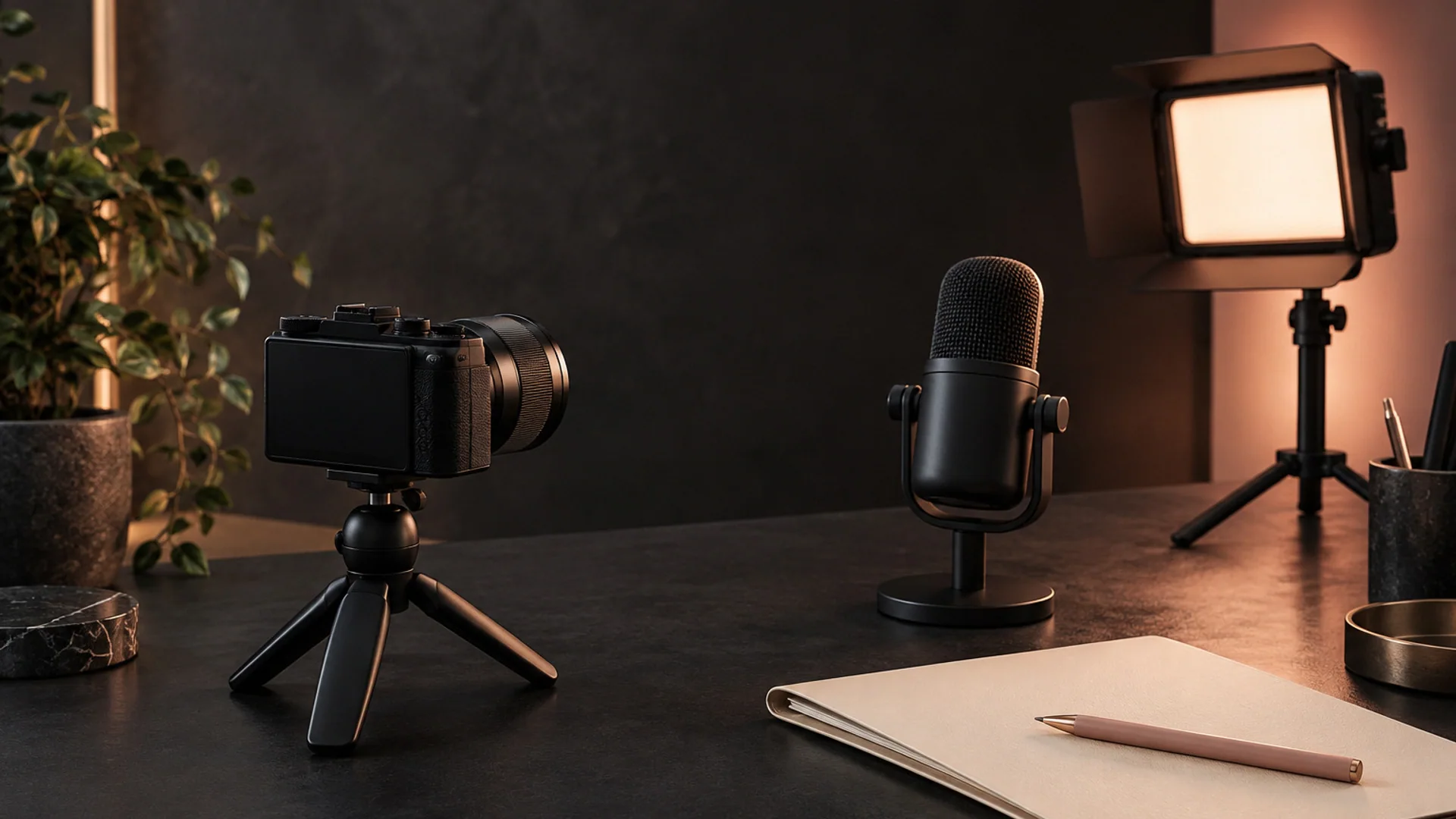
Request the current requirements for the specific platform and broadcasting software you would use. Run a permitted private test of the camera, microphone, lighting and connection. Check the picture and sound under the conditions in which you would actually work.
Avoid buying an expensive camera because of a generic equipment list. Find out which problem a purchase would solve and who owns the equipment afterward. For rented or supplied equipment, document repair, replacement and return responsibilities.
- Confirm which devices and software are supported.
- Test the connection and audio for the intended session length.
- Ask who handles technical problems and during which hours.
- List equipment deposits, recurring charges and return conditions.
Separate privacy settings from an anonymity promise
Ask who can access the account, change profile settings, upload content, view records and handle payouts. Check the platform’s current access rules and the company’s proposed process. Account ownership, operational access and content rights are separate questions; resolve each one.
Regional blocking is a limited platform feature. For example, Chaturbate’s help page says broadcasters can restrict selected locations, but warns that the tool may not cover every IP address. Treat those settings as a partial control, not a promise that nobody nearby can see or recognize you.
A VPN is not a guarantee of anonymity or a substitute for the platform’s viewer-blocking settings. Review what appears in your background, profile and linked accounts, and ask how the company handles unauthorized recordings, reposts and access incidents. Do not accept a claim that a tool can guarantee your identity will stay private.
Review rights, obligations and the exit process
Compare the written agreement with the offer you discussed. Ask about any mismatch before signing. A clear document helps you see what is being proposed; its existence alone does not establish that every term is fair or enforceable.
Have a qualified adviser review unclear restrictions or obligations for your jurisdiction. Employment classification and tax treatment depend on the arrangement and applicable rules; do not assume you are an employee or a contractor because of the label in a sales pitch.
- Content: ownership, permitted uses, recordings, promotional rights and what continues after exit.
- Accounts: registration, operational permissions, recovery details and payout control.
- Work: agreed hours, attendance, boundaries, support and changes to the scope.
- Money: fee base, deductions, advances, statements and payment disputes.
- Restrictions: exclusivity, duration, renewal and any limits on future work.
- Exit: notice, possible charges, equipment return, final payments, data handling and access removal.
Check the people and the proposed service
Ask who would support you, how to contact them and what happens when they are unavailable. Request a demonstration of a routine task or a redacted statement that shows how the payment calculation works. If a current or former model agrees to give a reference, ask about their actual experience rather than requesting private earnings or identity records.
Write down unresolved questions. A refusal to disclose another person’s private details is reasonable; an unanswered question about your own fees or responsibilities still needs an answer. Keep those two situations separate.
If you also need subscription-platform management
FONCÉ publishes this guide and provides creator management on OnlyFans and related platforms. Our work can include strategy, content editing, posting, chatting and promotion within an agreed scope. We are not presenting a webcam-studio ranking or promising live-broadcast facilities. Ask which services apply to your account.
Creators retain account access and content ownership. FONCÉ uses authorized access through Infloww for agreed account operations, including chatting and posting. This work requires operational access; a CRM does not mean no login or permissions are needed.
FONCÉ’s direct creator-management commission ranges from 30–50%, depending on the deal. Confirm the exact rate, calculation base and included services in writing. That is a FONCÉ range, not a webcam-industry benchmark or an agency-partner quote.
Read what an OnlyFans management agency does if you are comparing subscription-platform support with a studio offer. To discuss FONCÉ’s scope, use the creator application.
Questions creators ask
Can I work with a webcam model company from home?
Some services are offered remotely. Confirm that the specific offer permits it, which platforms it covers, what equipment you need and when support is available. Do not infer those details from the company’s label.
What percentage do webcam companies take?
There is no rate established by this guide. Get the proposed rate, calculation base and additional costs in writing, then ask for a worked example. A percentage by itself does not tell you what you will receive.
Can a company guarantee that viewers will not identify me?
Do not rely on that promise. Regional blocking has limitations, and tools cannot guarantee that a viewer will not recognize or share material. Ask what controls are available and what their documented limits are.
What should I check before submitting identity documents?
Confirm the platform or company receiving them, the purpose, the required documents and the official submission process. Read its privacy information. Avoid sending identity records to an unverified contact just because they claim to represent a studio.
Does using an agency automatically make the work safer?
No. Evaluate the actual responsibilities, access, privacy limits, support and exit process. Agency involvement alone does not establish that those arrangements meet your needs.
Sources reviewed
- Chaturbate: regional blocking and its limitsReviewed October 16, 2026. Supports only the description of regional restrictions and the explicit limitation that some IP addresses may not be covered.
- FONCÉ creator managementDescribes FONCÉ’s subscription-platform management scope and creator control. FONCÉ confirmed the fee range and Infloww operations for this guide on October 16, 2026; these do not describe webcam-studio services.